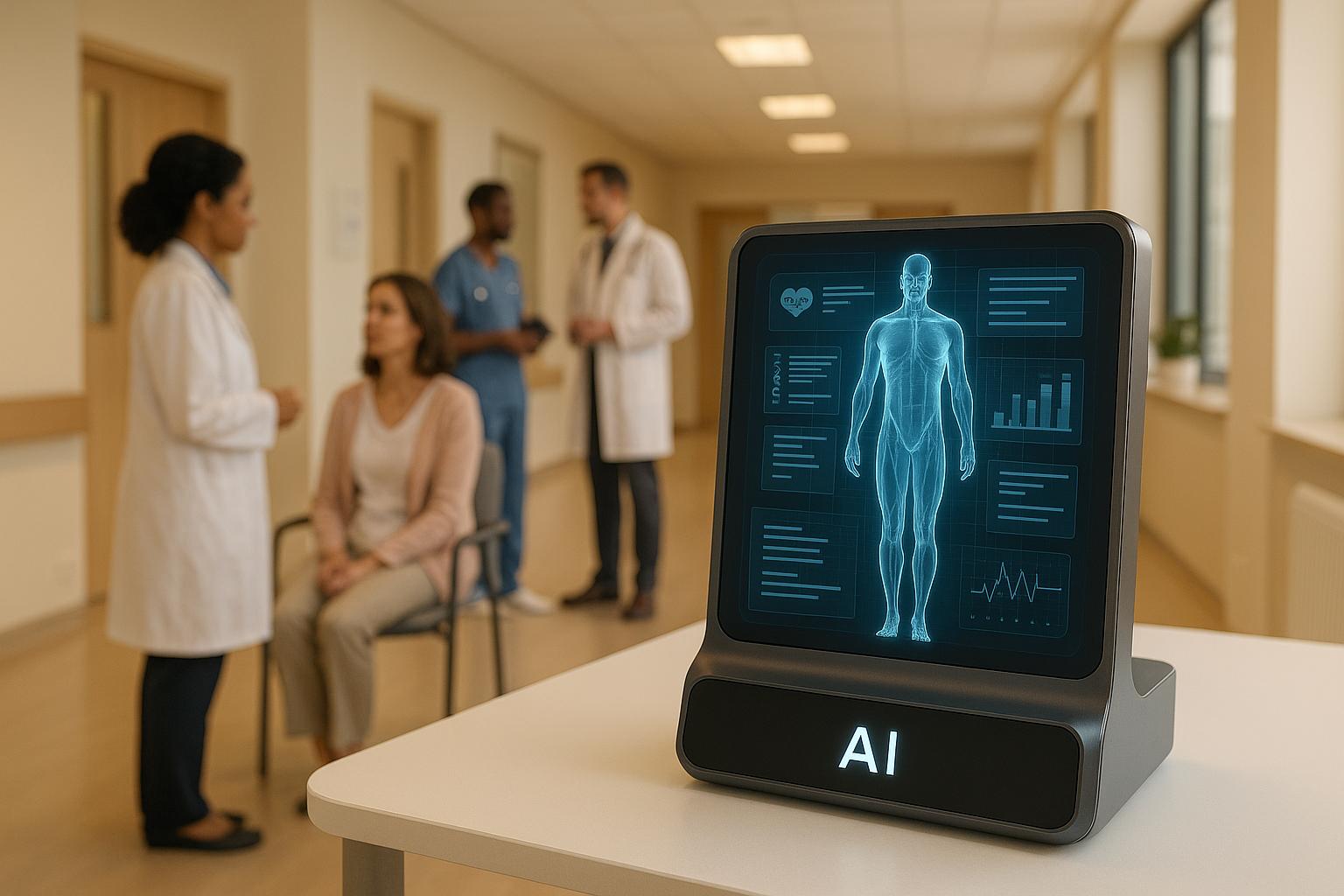
Artificial intelligence is reshaping healthcare in 2025, addressing critical challenges like rising costs, provider shortages, and administrative burdens. From improving diagnostics to personalizing treatments, AI is enhancing efficiency and outcomes across the U.S. healthcare system. Here’s what’s happening:
- Administrative Automation: AI reduces paperwork through automated clinical documentation, insurance verification, and scheduling.
- Diagnostic Support: AI tools improve accuracy in detecting diseases using medical imaging and pattern recognition.
- Predictive Analytics: Early risk detection helps prevent hospital readmissions and manage chronic conditions.
- Personalized Medicine: Tailored treatments based on genetic and patient-specific data are becoming standard in oncology and other fields.
- Medication Management: AI ensures safer prescriptions by identifying drug interactions and optimizing dosages.
- Remote Monitoring: Wearable devices and AI track chronic conditions in real time, reducing hospital visits.
- Clinical Research: AI speeds up literature reviews and identifies trends across clinical trials.
- Patient Communication: Chatbots and virtual assistants simplify medical information, improving health literacy.
- Hospital Operations: AI optimizes staffing, bed management, and supply chains to improve efficiency.
- Drug Discovery: AI accelerates the development of new medications and repurposes existing ones.
These technologies are already integrated into daily healthcare workflows, improving patient care and reducing costs. While challenges like training and infrastructure remain, AI is becoming a vital tool for clinicians, researchers, and administrators.
2025 Healthcare AI Bootcamp Session 2: AI Applications in Healthcare 1.0
1. Administrative Automation and Clinical Documentation
In the U.S., physicians often find themselves bogged down by administrative tasks, stealing time away from patient care. From clinical documentation and insurance verification to appointment scheduling and billing, these processes not only waste resources but also contribute to provider burnout. Thankfully, AI-powered automation is stepping in to streamline these workflows, reshaping how healthcare organizations manage paperwork and other administrative hurdles.
Technology and Real-World Applications
One of the standout advancements in this space is ambient clinical documentation. Using natural language processing (NLP), these systems can "listen in" on patient-provider conversations and automatically generate clinical notes in real time. Instead of manually typing or dictating, physicians have their conversations converted into structured notes on the fly. The AI identifies key details, filters out casual dialogue, and produces draft notes that providers can quickly review and finalize.
Several major health systems have already embraced these tools, seamlessly integrating them into their daily operations. By reducing the time spent on documentation, these systems allow physicians to dedicate more attention to their patients.
AI is also making waves in revenue cycle management. It handles tasks like insurance verification, prior authorizations, and claims processing with remarkable efficiency. These systems cross-check patient data against insurance databases, flag potential issues before submissions, and even prepare the necessary documentation for approvals.
On the scheduling front, AI tools optimize appointment management by considering factors like provider availability, patient preferences, and historical no-show trends. They also send automated reminders and handle rescheduling, further easing administrative burdens.
The result? Streamlined workflows that not only address staffing shortages but also improve overall efficiency.
Relevance to U.S. Healthcare Challenges
Administrative duties in U.S. healthcare are a massive drain on resources, pulling time and attention away from direct patient care. For clinicians, spending hours on paperwork instead of meaningful patient interactions only worsens burnout. AI tools that automate documentation and reduce after-hours charting provide a much-needed reprieve, helping clinicians focus on what truly matters – caring for their patients.
With ongoing staffing shortages, particularly in nursing, reducing non-clinical workloads is more critical than ever. AI systems can take over routine tasks like answering standard inquiries, processing requests, and managing schedules, freeing up staff to focus on patient-centered activities.
Adoption and Implementation Status in 2025
By 2025, many major electronic health record (EHR) vendors have embedded AI-powered documentation tools directly into their platforms, making it easier for healthcare organizations to adopt these solutions. Hospitals and large medical groups are leading the way, deploying these technologies across departments like primary care, emergency medicine, and specialty clinics.
Mid-sized practices and community health centers are also joining the trend, driven by the need to make the most of limited staff resources. The maturity of these tools has simplified implementation, allowing providers to adjust to new workflows with relative ease.
Insurance companies are also on board, leveraging AI to create more efficient interfaces with healthcare providers. Automated systems now handle a large portion of routine prior authorization requests, speeding up approvals for procedures and medications.
Impact on Healthcare Outcomes
The ripple effects of administrative automation go far beyond operational efficiency. By cutting down on documentation time, providers can engage more deeply with their patients, strengthening the therapeutic relationship and enhancing the overall care experience.
Streamlined claims processing means fewer denials, which can significantly improve the financial stability of healthcare organizations. These savings allow hospitals to reinvest in patient care, with larger systems seeing particularly notable cost reductions.
AI-assisted documentation also reduces errors by catching inconsistencies, identifying missing details, and ensuring compliance with coding standards. This not only decreases claim rejections but also supports continuity of care by providing complete, accurate patient records.
Perhaps most importantly, reducing administrative burdens has a direct impact on provider satisfaction. Healthcare organizations that embrace automation often report higher levels of physician well-being and improved retention rates among clinical staff. For patients, this translates to more consistent care, as stable provider teams foster stronger, longer-term relationships and minimize the disruptions caused by turnover.
2. Diagnostic Support and Pattern Recognition
Diagnostic errors remain a persistent challenge in U.S. healthcare. AI-powered pattern recognition is stepping in to assist clinicians by identifying diseases earlier and with greater precision. These systems analyze medical images, pathology slides, and complex datasets to detect patterns that even seasoned experts might overlook. This level of accuracy is reshaping diagnostic processes, leading to better treatment outcomes.
Technology and Real-World Applications
AI technology is making significant strides in radiology by analyzing X-rays, CT scans, MRIs, and mammograms to identify abnormalities. For example, AI tools have achieved a 94% accuracy rate for detecting lung nodules and 90% sensitivity in identifying breast cancer.
In digital pathology, AI systems excel at identifying cancerous cells, helping pathologists manage higher caseloads, especially during times of specialist shortages. Similarly, in neurology, AI has identified 64% of epilepsy lesions that were previously missed by human reviewers. Beyond imaging, AI is also being applied to genomic data, where it detects disease markers and predicts how patients might respond to specific treatments.
Relevance to U.S. Healthcare Challenges
The U.S. healthcare system is grappling with a shortage of specialists, particularly in radiology and pathology. These gaps often lead to delayed diagnoses and increased healthcare costs. AI offers a practical solution by providing reliable second opinions and handling routine screenings, allowing specialists to focus on complex cases. By streamlining workflows and reducing clinician burnout, AI tools free up healthcare professionals to apply their expertise where it’s needed most.
Adoption and Implementation Status in 2025
By 2025, AI diagnostic tools have become a staple in major academic medical centers and large hospital networks. Radiology departments have led the way, with many institutions also integrating AI into pathology and other specialties. The growing number of FDA-authorized AI medical devices reflects the technology’s readiness and acceptance within the healthcare system.
Community hospitals and regional healthcare providers are also joining the trend. Through strategic partnerships, they are incorporating AI into their workflows, making advanced diagnostic capabilities more accessible across diverse care settings.
Impact on Healthcare Outcomes
The benefits of early and accurate disease detection are undeniable. AI’s ability to flag abnormalities that might otherwise go unnoticed allows for timely interventions, which are especially critical in cancer care. The speed at which AI delivers diagnostic insights helps clinicians make faster decisions in urgent situations, ensuring patients receive the care they need without unnecessary delays.
Additionally, AI systems bring a level of consistency to diagnostics that human reviewers, susceptible to fatigue or distractions, cannot always maintain. This partnership between human expertise and machine precision is shaping the future of diagnostic medicine, offering a more efficient and reliable approach to patient care.
3. Predictive Analytics for Patient Risk Assessment
AI-driven predictive analytics is changing the game in healthcare by identifying at-risk patients before their conditions worsen. By analyzing extensive data – like electronic health records (EHRs), lab results, and vital signs – these tools can foresee potential health crises. This allows care teams to step in early, shifting the focus from reactive to proactive care and improving the way healthcare is delivered.
Technology and Real-World Applications
Predictive analytics tools dig deep into data from EHRs, lab tests, and patient vitals to highlight risks such as sepsis, heart failure, or respiratory decline. In settings like emergency departments and intensive care units, AI algorithms continuously monitor patients, spotting signs of clinical deterioration before they become evident. For example, some systems can predict sepsis risk well before traditional methods, giving care teams valuable time to intervene.
These tools also help prevent hospital readmissions by identifying patients likely to return. Care coordinators can then arrange follow-ups, medication reviews, or additional support to smooth the transition home. Beyond acute care, risk stratification models enable primary care providers to identify patients who may develop chronic conditions. This ensures that preventive care is directed toward those who need it most, maximizing the impact of healthcare resources.
Relevance to U.S. Healthcare Challenges
The U.S. healthcare system faces mounting pressure to cut costs while improving outcomes. Hospital readmissions, a significant financial strain on Medicare, are often preventable. Predictive analytics tackles this issue by flagging patients who need extra support, helping to avoid complications before they escalate.
With clinician shortages making close patient monitoring a challenge, AI-powered tools act as an early warning system. By identifying the most at-risk patients, these tools help allocate limited clinical resources more effectively. Predictive analytics also aligns well with value-based care models, which reward healthcare organizations for improving population health and minimizing avoidable readmissions or complications.
Adoption and Implementation Status in 2025
By 2025, predictive analytics has become a staple in many U.S. healthcare systems. Large hospital networks have integrated these tools into their EHR systems, embedding alerts directly into clinician workflows. Intensive care units, emergency departments, and post-acute care settings are among the areas where these tools are now standard.
Insurance companies and accountable care organizations are also leveraging predictive analytics to better manage patient populations. By identifying individuals who could benefit from case management or chronic disease programs, they can focus their outreach on those at highest risk of adverse events.
Smaller community hospitals are catching up, often through partnerships with tech vendors or health information exchanges. Cloud-based platforms have made these tools more accessible, even for organizations with limited IT infrastructure, leveling the playing field for smaller providers.
Impact on Healthcare Outcomes
The shift from reactive to proactive care has led to noticeable improvements in patient outcomes. Early identification of risks allows for timely interventions, reducing complications and avoiding emergency treatments. Enhanced discharge planning, medication reviews, and follow-up care for high-risk patients further support recovery and reduce the likelihood of readmissions.
Organizations using predictive analytics have reported better management of conditions like sepsis and respiratory failure, where early action can significantly improve survival rates. The technology also helps avoid unnecessary hospitalizations by identifying patients who can be safely treated in less intensive settings.
Financially, these tools are a win-win. Preventing complications and reducing readmissions saves money while aligning clinical and financial goals. By focusing resources where they are needed most, healthcare systems can deliver better outcomes while creating a more efficient and sustainable care model. Predictive analytics, when combined with other AI tools, is paving the way for a smarter, more effective healthcare system.
4. Personalized Medicine and Treatment Planning
AI is transforming healthcare by tailoring treatments to fit each patient’s unique needs. By analyzing a wide range of data – like genetic information, lifestyle habits, medical history, and environmental factors – AI systems can suggest therapies that are more likely to be effective for individuals. This shift from a one-size-fits-all approach to personalized care means fewer trial-and-error treatments, quicker results, and better outcomes. It also complements early risk detection by aligning therapies with the patient’s specific profile.
Technology and Real-World Applications
AI-driven personalized medicine uses data from genomic sequencing, biomarkers, medical imaging, and clinical records to identify the most effective treatments. In cancer treatment, for example, AI tools analyze tumor genetics to recommend targeted therapies or connect patients with clinical trials and FDA-approved drugs tailored to their tumor profiles.
Pharmacogenomics, which studies how a person’s genetics affect their response to medications, is another area where AI is making strides. These systems predict the best drug dosages and flag medications that might cause adverse reactions. This is especially helpful for drugs with narrow therapeutic windows, like blood thinners or antidepressants, where precise dosing is critical.
Chronic disease management is also benefiting from AI. For conditions like diabetes and heart disease, AI systems combine data from continuous glucose monitors, activity trackers, dietary logs, and other health metrics to create personalized recommendations. These systems adjust treatment plans in real time based on changes in the patient’s condition, offering a level of customization that static guidelines simply can’t match.
In mental health, AI tools help clinicians by analyzing patient responses to therapies and medications. These systems consider factors like symptoms, treatment history, and even social influences to suggest tailored care plans. This level of precision is reshaping how care is delivered across a wide range of medical fields.
Relevance to U.S. Healthcare Challenges
The U.S. healthcare system often struggles with inconsistencies in treatment outcomes, partly because standard protocols don’t account for individual differences. Personalized medicine changes this by matching treatments to each patient’s unique characteristics from the outset, reducing the time and cost of ineffective therapies. This is especially important given the high price of many modern drugs – avoiding treatments that don’t work saves both money and time.
Health disparities are another major issue in American healthcare. Certain populations face worse outcomes due to genetic, social, and environmental factors. AI-powered personalized medicine has the potential to reduce these disparities by identifying the best treatments for different demographic groups. However, achieving this requires diverse datasets that reflect the full spectrum of U.S. patients.
The rise of value-based care in the U.S. aligns well with personalized medicine. When treatments are tailored to the individual, they’re more likely to work the first time, reducing unnecessary hospital visits, procedures, and medication changes. This not only improves patient satisfaction but also helps healthcare organizations meet the goals of value-based payment models.
Adoption and Implementation Status in 2025
By 2025, AI-powered personalized medicine has moved from research labs into everyday clinical practice, especially in fields like oncology and cardiology. Many major cancer centers now use AI tools to analyze genetic data and guide treatment decisions. Molecular tumor boards increasingly rely on these systems to interpret complex genetic results and recommend evidence-based therapies.
Pharmacogenomic testing has become more common, with many health systems integrating genetic data into electronic health records (EHRs). When prescribing medications, clinicians now receive alerts if a patient’s genetic profile suggests a risk of poor response or adverse effects. While this practice isn’t universal yet, it’s expanding from academic centers to community hospitals and large physician groups.
Insurance coverage for personalized medicine is improving as well. Medicare and private insurers are increasingly covering genomic testing for cancer patients and pharmacogenomic assessments for certain drugs. This reflects a growing recognition that the upfront costs of these tests are often offset by the savings from avoiding ineffective treatments and adverse drug reactions.
Challenges remain, particularly in integrating genomic data into EHRs and training clinicians to use AI-driven recommendations effectively. Many healthcare systems are still working to make genetic information easily accessible at the point of care. Meanwhile, medical schools and continuing education programs are adding more content on precision medicine to prepare clinicians for this shift.
Impact on Healthcare Outcomes
The move toward personalized treatment planning is already delivering notable improvements in patient outcomes. Cancer patients receiving AI-guided targeted therapies often experience higher response rates and fewer side effects compared to traditional chemotherapy. By matching treatments to the specific characteristics of a tumor, oncologists can avoid therapies unlikely to work, preserving patients’ quality of life and enabling quicker access to alternative options.
Medication-related adverse events, a leading cause of hospitalizations in the U.S., are decreasing in settings where pharmacogenomic testing is routine. Tailored drug and dosage recommendations reduce the risk of severe side effects, which is particularly beneficial for elderly patients managing multiple prescriptions.
Chronic disease management has also seen progress. AI-powered care plans help patients achieve better control over conditions like diabetes and hypertension by providing recommendations that account for their unique lifestyle and biological responses. Patients are more likely to stick with personalized treatment plans, leading to better health outcomes.
Financially, the benefits are becoming clear. Healthcare providers using personalized medicine report lower costs from avoiding ineffective treatments and reducing complications. While the initial investment in genetic testing and AI platforms can be high, the long-term savings from improved treatment success rates and fewer adverse events make this approach increasingly appealing. As these technologies become more advanced and widely adopted, the goal of individualized healthcare is no longer just a vision – it’s becoming a standard practice.
5. Medication Management and Drug Interaction Detection
AI has stepped up to make medication management safer and more efficient by identifying harmful drug interactions, flagging dosing errors, and ensuring prescriptions align with a patient’s overall health profile. Integrated with electronic health records (EHRs) and pharmacy systems, these tools provide quick, automated checks to catch potential issues before they become serious.
Technology and Real-World Applications
AI-powered platforms analyze a patient’s medication list against vast databases of known drug interactions, contraindications, and individual factors like age, weight, kidney function, and pre-existing conditions. When a doctor prescribes a new medication, the system immediately scans for potential problems – not just drug-to-drug interactions but also risks involving over-the-counter medications, supplements, or even certain foods.
What sets these systems apart is their ability to measure the severity of interactions. They don’t just issue blanket warnings; they help doctors distinguish between minor concerns and life-threatening risks. For instance, combining blood thinners with common painkillers can significantly increase bleeding risks, while certain antidepressants paired with migraine drugs could trigger serotonin syndrome. By prioritizing alerts based on clinical importance, these tools reduce the chances of overwhelming healthcare providers with unnecessary warnings.
This is especially critical for older adults who often take multiple medications, a situation known as polypharmacy. AI systems can analyze these complex regimens, flag overlaps, recommend safer alternatives, and even identify medications that might no longer be necessary. Some platforms also monitor refill data and dispenser records, alerting care teams if patients miss doses. In hospitals, real-time decision support can adjust medication dosages automatically based on changes in kidney function or other health metrics, ensuring treatments remain safe and effective.
Relevance to U.S. Healthcare Challenges
Medication errors and adverse drug events are a costly issue in the U.S., leading to numerous hospitalizations each year. Many of these incidents are preventable, and AI-driven tools are proving invaluable in enhancing patient safety. With thousands of drugs available, the complexity of the pharmaceutical landscape makes automated systems essential.
The opioid crisis has further highlighted the need for improved medication monitoring. AI can flag instances where patients receive opioid prescriptions from multiple providers, a potential sign of misuse. It can also detect dangerous combinations, like opioids and benzodiazepines, which significantly increase the risk of fatal overdoses. These capabilities not only protect patients but also support compliance with state-level prescription drug monitoring programs.
Insurance coverage adds another layer of complexity. AI tools can check if a prescribed medication is covered by a patient’s insurance and suggest affordable alternatives when necessary. This not only reduces delays caused by prior authorization but also ensures patients can access the medications they need without unnecessary financial strain.
Adoption and Implementation Status in 2025
By 2025, AI-enhanced medication management systems are expected to be a standard feature in EHRs and pharmacy management platforms across the U.S. Major health systems and hospital networks have already begun integrating these tools, allowing real-time alerts to appear directly within prescribing workflows.
Community pharmacies are also adopting these technologies. Large pharmacy chains now use AI systems to review prescriptions before dispensing, while independent pharmacies are leveraging cloud-based solutions that don’t require extensive IT infrastructure. Specialty pharmacies, which handle complex treatments for conditions like cancer and HIV, have been particularly quick to embrace AI. These tools are crucial for managing medications with narrow therapeutic windows and higher risks of interactions, ensuring safer care coordination among multiple providers.
That said, challenges remain. Training staff and fine-tuning alert systems to avoid overwhelming clinicians with excessive warnings are ongoing priorities. Many platforms now use machine learning to adapt to individual prescribing habits, making alerts more relevant and actionable.
Impact on Healthcare Outcomes
AI-powered medication management is already improving patient safety. Hospitals and clinics using these tools report fewer preventable adverse drug events, especially with high-risk medications like insulin, anticoagulants, and immunosuppressants. By catching dangerous interactions early, these systems help avoid emergency visits and unplanned hospital stays.
Improved medication adherence is another benefit. When AI monitors refill patterns and prompts timely interventions, patients are more likely to stick to their treatment plans, leading to better outcomes in managing conditions like diabetes, high blood pressure, or organ transplant care.
Cost savings are another advantage. Preventing just one serious drug-related incident can save thousands in emergency and hospitalization costs. Additionally, by identifying affordable alternatives, AI systems help lower out-of-pocket expenses, making it easier for patients to follow their prescribed regimens.
Finally, smarter alert systems reduce "alert fatigue", ensuring that critical warnings grab attention and lead to action. This smarter approach helps healthcare providers focus on what matters most – keeping patients safe.
6. Remote Patient Monitoring and Chronic Disease Management
AI-powered remote patient monitoring is transforming how we track and care for patients with chronic illnesses. With wearable devices, home monitoring tools, and smartphone apps, these systems collect real-time data on vital health metrics. AI then analyzes this data to spot troubling trends, predict possible complications, and alert healthcare teams when action is needed. This approach works hand-in-hand with AI-driven hospital workflow improvements, creating a more connected and responsive healthcare system.
Technology and Real-World Applications
Remote monitoring platforms use a combination of devices and AI to manage conditions like diabetes, heart failure, chronic obstructive pulmonary disease (COPD), and hypertension. Patients rely on sensors or home devices that automatically send data – such as blood pressure, heart rate, blood glucose levels, oxygen saturation, weight, and sleep patterns. AI learns each patient’s normal range and flags any concerning changes.
For heart failure patients, daily weight tracking combined with symptom monitoring can signal fluid retention before it becomes critical. Similarly, continuous glucose monitors (CGMs) paired with AI help diabetes patients keep their blood sugar levels stable by predicting dangerous spikes or drops. Some systems even work with insulin pumps to automatically adjust doses, creating a "closed-loop" system that mimics natural pancreatic function. Patients receive real-time alerts on their smartphones, along with tailored advice on diet, activity, or medication adjustments.
In COPD care, AI-enabled devices like spirometers and pulse oximeters monitor lung function and oxygen levels. They can detect early signs of worsening conditions, such as declining oxygen saturation or changes in breathing patterns, allowing for timely intervention with medication or other treatments.
Relevance to U.S. Healthcare Challenges
Chronic diseases are a major driver of healthcare costs in the U.S., often leading to frequent hospital visits that could be avoided with better monitoring and timely care. Remote patient monitoring offers a practical way to improve outcomes while managing expenses.
The aging population in the U.S., many of whom deal with multiple chronic conditions and limited mobility, stands to gain significantly from this technology. Remote monitoring allows these individuals to receive quality care from the comfort of their homes, maintaining independence. This is especially valuable in rural areas, where access to specialists can be limited.
Reducing hospital readmissions, particularly within 30 days of discharge, is a priority for Medicare and healthcare systems. AI-powered remote monitoring provides continuous oversight during this critical period, catching warning signs early enough to prevent readmissions. The COVID-19 pandemic further accelerated the adoption of remote care technologies, and recent regulatory changes have expanded reimbursement options, making these services more accessible through Medicare and private insurers.
Adoption and Implementation Status in 2025
By 2025, remote patient monitoring has become a standard part of care for many chronic conditions across U.S. healthcare systems. Large health networks now run extensive monitoring programs, managing thousands of patients through centralized hubs where nurses and care teams review AI-generated alerts and prioritize care.
Dedicated teams oversee these programs, with specialized nurses responding to alerts, conducting telehealth check-ins, and coordinating with doctors for treatment changes. AI helps stratify patients by risk, focusing resources on those needing the most attention based on factors like disease severity, past hospitalizations, and social determinants of health.
Technology companies have partnered with healthcare providers to simplify the process. Some programs ship devices directly to patients with easy setup instructions, while others integrate with devices patients already own, like smartphones or smartwatches. Cloud-based platforms bring together data from various devices, giving healthcare providers a unified view of patient health that integrates seamlessly with electronic health records.
Accountable care organizations (ACOs) and value-based care models have been early adopters, leveraging remote monitoring to reduce hospitalizations and improve population health. While challenges like patient engagement and technology literacy persist, successful programs address these issues by offering diverse device options, robust support, and partnerships with community groups to ensure fair access.
Impact on Healthcare Outcomes
AI-driven remote patient monitoring has shown clear benefits in managing chronic diseases. For example, healthcare systems have reported fewer hospital readmissions for heart failure patients enrolled in these programs. Diabetes patients, guided by continuous monitoring and AI insights, have been able to maintain stable blood sugar levels, reducing the risk of long-term complications like kidney damage, vision loss, and heart problems.
Patients appreciate the convenience and peace of mind that come with receiving care at home, which boosts satisfaction and gives them greater control over their health.
Healthcare providers also see significant advantages. Continuous data streams provide a more complete picture of a patient’s condition between appointments, while AI ensures that attention is focused on those who need it most. For organizations using value-based payment models, the cost savings from preventing hospital readmissions often outweigh the expenses of monitoring technology. Some systems have even reported a return on investment within the first year of adopting comprehensive remote monitoring programs.
sbb-itb-f73ecc6
7. Clinical Research Data Analysis and Literature Review
AI is transforming the way healthcare professionals interact with and interpret clinical research. By harnessing machine learning and natural language processing (NLP), these advanced tools can comb through thousands of published studies in mere minutes – a process that traditionally took weeks. AI-powered platforms streamline meta-analyses by combining data from multiple clinical trials, uncovering patterns across various patient groups, and cross-referencing results to confirm their accuracy. For instance, these systems can delve into decades of cardiovascular studies to pinpoint the most effective treatment protocols for specific patient subgroups or quickly consolidate emerging data during public health emergencies.
When it comes to literature reviews, AI shines by scanning extensive sources like medical journals, clinical trial records, and conference proceedings to pinpoint studies relevant to specific research questions. Using NLP, these tools grasp context, extract vital details such as patient demographics and treatment results, and highlight conflicting findings that may need further scrutiny. This capability is especially crucial when developing clinical guidelines, where a thorough review of evidence is non-negotiable. By expediting research validation and supporting updates to clinical guidelines, AI ensures healthcare professionals have access to faster and more precise evidence-based resources.
AI goes beyond just summarizing existing research. It helps identify knowledge gaps, suggests areas ripe for exploration, and even predicts which hypotheses are most likely to produce impactful results. By automating labor-intensive tasks like data extraction and quality checks, these tools free up researchers to focus on interpreting findings and applying them in practice.
This efficient approach not only speeds up evidence-based decision-making but also paves the way for smarter hospital operations and more effective communication with patients.
8. Patient Communication and Health Literacy
AI-powered communication tools are making medical information easier to understand, addressing a long-standing challenge in healthcare. These tools simplify technical jargon, provide around-the-clock support, and deliver personalized health education throughout the care process. By breaking down barriers to understanding, AI empowers patients to take a more active role in their care while also reducing the burden of routine communication tasks for healthcare providers.
Technology and Real-World Applications
AI-driven chatbots and virtual health assistants are stepping in to handle various patient interactions, such as scheduling appointments, sending medication reminders, and explaining post-discharge care instructions. Using natural language processing, these tools provide clear, tailored responses. For instance, if a patient asks, "Why does my blood pressure medication make me dizzy?" the system can explain conditions like orthostatic hypotension in plain terms and offer practical advice for managing the side effect.
In multilingual settings, AI translation services are proving invaluable. They provide real-time interpretation that not only translates words but also captures the medical context and cultural sensitivities. These systems adapt their explanations to match a patient’s language needs and health literacy level, ensuring that non–English-speaking patients can access accurate and understandable information.
Patient portals are also evolving. Instead of just displaying raw data, they now highlight key insights, explain findings, and present visual trends to help patients grasp their health status. Some even suggest questions for patients to bring up during follow-up visits. These advancements are helping to address ongoing challenges in the U.S., including health literacy and provider workload.
Relevance to U.S. Healthcare Challenges
Clear communication is more important than ever as healthcare grows increasingly complex. In the United States, many adults struggle to fully understand and use health information, a gap that can lead to medication errors, missed appointments, and poor chronic disease management. These issues not only worsen health outcomes but also drive up costs. AI communication tools are bridging this gap by delivering clear, accessible information to all patients, regardless of their education level or language proficiency.
By automating routine communication tasks, AI also lightens the load for healthcare providers. Common questions about appointment prep, medication instructions, or general health concerns can be handled by AI, freeing up clinical staff to focus on more complex cases that require their expertise and empathy. This is especially vital in rural and underserved areas where provider shortages are common.
For those managing chronic conditions like diabetes or heart disease, AI tools provide continuous support between doctor visits. They send reminders, answer questions about symptoms or side effects, and reinforce key self-management practices, ensuring patients stay on track with their care plans.
Adoption and Implementation Status in 2025
As of 2025, many healthcare organizations have embraced AI communication tools as part of their patient engagement strategies. These range from basic chatbots for scheduling to advanced virtual assistants offering in-depth health coaching. Importantly, these systems are designed to clearly indicate when responses are automated and can seamlessly escalate to human providers when needed.
Insurance companies and pharmacy benefit managers are also leveraging AI platforms to help members navigate their coverage. These tools simplify complex topics like cost-sharing, prior authorization, and formulary restrictions, reducing confusion and empowering patients to make informed decisions about their care.
The healthcare industry’s shift toward value-based care is further driving the adoption of AI communication tools. By improving patient understanding and engagement, these technologies support better quality metrics and higher patient satisfaction, aligning with the broader goals of U.S. healthcare in 2025.
Impact on Healthcare Outcomes
Better communication through AI is already leading to improved health outcomes. When patients understand their conditions and treatment plans, they’re more likely to stick to medications, adopt recommended lifestyle changes, and attend follow-up appointments. This reduces hospital readmissions, emergency room visits, and complications.
AI tools also play a role in identifying patients who may need extra support. By analyzing patterns in patient questions and engagement, these systems can flag individuals who might be struggling with their care plans, allowing healthcare teams to step in early.
This consistent, personalized communication is especially beneficial for vulnerable groups, such as elderly patients or those with limited English proficiency or lower health literacy. By making healthcare information accessible to everyone, AI is helping to create a more equitable system.
9. Resource Allocation and Hospital Operations
AI is transforming the way hospitals handle their daily operations, from managing staff schedules to streamlining supply chains. By analyzing large volumes of operational data, these systems can predict demand, fine-tune workflows, and ensure that resources are available exactly when and where they’re needed. This level of precision not only helps hospitals run more smoothly but also reduces waste and improves patient care – key factors in addressing the financial and resource pressures faced by U.S. healthcare facilities.
Technology and Real-World Applications
AI-powered workforce management tools are now capable of forecasting patient volumes by analyzing historical data and seasonal trends. This allows hospitals to adjust staffing levels dynamically, avoiding the pitfalls of understaffing, which can compromise patient safety, and overstaffing, which leads to unnecessary labor costs.
Operating room scheduling has also seen major improvements thanks to AI. These systems take into account surgeon availability, procedure durations, and the need for equipment and beds. By analyzing patterns from previous surgeries, they can predict procedure times more accurately and create optimized schedules, reducing downtime and making the most of available resources.
In supply chain management, predictive algorithms monitor inventory levels, track usage trends, and even account for expiration dates on surgical supplies and medications. This automation ensures that hospitals maintain adequate stock without overordering, which helps cut down on waste.
AI is also tackling one of the most persistent challenges in healthcare: bed management. These systems estimate admission and discharge times while matching patients to appropriate beds, helping to ease emergency department congestion and avoid bottlenecks across the hospital.
Relevance to U.S. Healthcare Challenges
Operational AI tools are proving invaluable in addressing some of the most pressing challenges in U.S. healthcare, including cost control and patient safety. Labor costs make up a significant portion of hospital budgets, and optimizing workforce management is a financial necessity, especially given ongoing shortages in roles like nursing.
Emergency department overcrowding is another widespread issue, often leading to long waits for inpatient beds. AI-driven tools for patient flow and bed management can help alleviate this problem by identifying opportunities for early discharges, predicting admission needs, and coordinating patient transfers more effectively. For hospitals in rural areas or those serving vulnerable populations, improving efficiency through better scheduling and inventory management is crucial for maintaining financial stability and ensuring access to care.
Adoption and Implementation Status in 2025
By 2025, AI tools for hospital operations have moved from experimental stages to widespread adoption. Large hospital systems, including major academic medical centers, now rely on these technologies as part of their daily routines. Dedicated teams monitor AI-generated recommendations and make real-time adjustments to processes. Mid-sized hospitals are also embracing these tools, often starting with targeted applications like operating room scheduling or supply chain management before expanding their use.
Cloud-based platforms have played a key role in making these technologies accessible, even for facilities with limited IT infrastructure. Integration with existing hospital information systems – such as electronic health records, scheduling software, and supply chain databases – has improved significantly, allowing AI systems to pull real-time data for more accurate predictions. Mobile interfaces let managers stay informed and make quick adjustments from anywhere.
Many healthcare organizations are also using these operational advances to support value-based care initiatives. By streamlining workflows and cutting unnecessary costs, hospitals can perform better under bundled payment models and shared savings programs. The insights provided by AI also help leaders pinpoint areas for improvement and track their progress over time.
Impact on Healthcare Outcomes
Better resource allocation has a direct impact on both patient care and hospital finances. When staffing levels are optimized, patients experience fewer delays, and care quality improves. For example, maintaining proper nurse-to-patient ratios has been shown to reduce complications, infections, and even mortality rates.
Improved patient flow means shorter wait times, especially for those with urgent conditions. This not only enhances the patient experience but can also prevent critical situations from escalating, reducing the need for more intensive treatments. Additionally, smoother workflows help ease the burden on healthcare workers, reducing burnout and turnover while fostering a more experienced and stable workforce.
The financial gains from increased efficiency enable hospitals to reinvest in areas like new equipment, facility upgrades, or expanded services. For facilities serving underserved communities, these savings are essential for maintaining operations and ensuring continued access to care.
AI-driven supply chain optimization also contributes to environmental sustainability by reducing waste from expired supplies and streamlining ordering processes. This not only lowers costs but also helps minimize the healthcare sector’s carbon footprint, aligning operational improvements with broader sustainability goals.
10. Drug Discovery and Life Sciences Research
AI is making waves in drug discovery, transforming a traditionally slow and expensive process. Developing a new drug has historically taken over a decade and cost billions of dollars. However, AI-powered platforms are speeding things up by analyzing molecular structures, predicting how compounds interact with biological targets, and identifying promising drug candidates far more efficiently than conventional methods. This computational leap is just one way AI is reshaping healthcare, from diagnostics to streamlining operations.
Technology and Real-World Applications
Machine learning is revolutionizing how researchers approach drug discovery. Algorithms can rapidly sift through massive libraries of molecular compounds, narrowing down the list for physical testing. These systems evaluate protein structures, predict binding affinities, and simulate drug behavior – all before a single lab experiment begins.
AI is also breathing new life into existing medications through drug repurposing. By analyzing clinical trial data, scientific studies, and patient records, AI can uncover surprising links between known drugs and other diseases. This approach has proven especially valuable during health crises, where repurposing an existing drug can often bypass some of the lengthy regulatory hurdles required for new treatments.
Another area where AI is breaking barriers is protein folding prediction. Advanced neural networks now offer accurate insights into protein structures, paving the way to target diseases previously considered untreatable.
Clinical trial design is also benefiting from AI. By identifying optimal patient groups, predicting responses, and flagging safety concerns, AI helps streamline trials, making them more efficient and increasing the chances of success.
Relevance to U.S. Healthcare Challenges
The U.S. pharmaceutical industry is under immense pressure to cut costs while remaining innovative. With healthcare spending continuing to climb, finding faster and less expensive ways to develop effective treatments is more important than ever. AI-driven drug discovery is tackling this challenge head-on by reducing development timelines and minimizing costly failures in later stages.
Rare diseases present another hurdle in the U.S. healthcare landscape. Millions of Americans are affected by rare conditions, but traditional drug development often isn’t feasible for such small patient populations. AI’s ability to lower costs and speed up discovery is making it possible to develop treatments for these underserved communities.
The growing threat of antimicrobial resistance and the emergence of new infectious diseases further highlight AI’s critical role. Rapidly identifying and developing antibiotics and antivirals is essential for protecting public health, and AI is helping to meet this demand.
Adoption and Implementation Status in 2025
By 2025, AI has become a cornerstone of pharmaceutical research. Major companies now have dedicated AI research divisions, and biotech startups built around AI-driven drug discovery are thriving. Partnerships between established pharmaceutical firms and AI-focused companies are becoming the norm, combining expertise in biology with cutting-edge computational tools.
Cloud-based AI platforms are leveling the playing field, giving smaller research institutions and academic labs access to powerful drug discovery tools without needing massive infrastructure. These platforms often operate on a subscription or per-project basis, with costs tailored to the scope of work.
Regulatory bodies like the FDA are evolving to keep pace. New frameworks for reviewing AI-driven drug discoveries are emerging, and guidelines for using AI at various development stages are taking shape. Several AI-discovered drug candidates have already reached late-stage clinical trials, with some approvals on the horizon.
Integration with laboratory automation has created seamless workflows. AI predictions now feed directly into robotic systems for synthesizing and testing compounds. This closed-loop system allows for rapid iteration, with experimental results continuously improving AI models. High-throughput screening facilities are increasingly relying on AI-generated candidate lists for testing.
Impact on Healthcare Outcomes
The acceleration of drug discovery is having a profound impact on patient care. Diseases that once had few treatment options are now the focus of active research, thanks to AI’s ability to pinpoint new therapeutic possibilities. For patients with rare conditions or aggressive cancers, even small reductions in development timelines can mean earlier access to life-saving treatments.
Cost savings from more efficient drug development could make medications more affordable, though market dynamics will ultimately influence pricing. AI is also enabling the creation of drugs with better safety profiles and fewer side effects, improving patient outcomes. Additionally, the ability to rapidly develop treatments strengthens the healthcare system’s capacity to respond to emerging health threats.
Beyond patient care, AI is making pharmaceutical research more sustainable. By optimizing clinical trials and reducing chemical waste, it’s helping labs conserve resources and lower their environmental impact. These advancements underscore AI’s growing role in transforming not just how we discover drugs, but how we deliver care and improve lives.
Comparison Table
AI is reshaping healthcare, and the table below provides an overview of 10 applications, focusing on their benefits, complexity, adoption rates, and primary users. This serves as a quick reference for understanding which technologies might offer the most value and where challenges like complexity or cost might arise.
| AI Application | Key Benefit | Technical Complexity | Adoption Rate (2025) | Main User |
|---|---|---|---|---|
| Administrative Automation and Clinical Documentation | Boosts Efficiency | Moderate | High | Physicians, Medical Coders, Administrative Staff |
| Diagnostic Support and Pattern Recognition | Improves Outcomes | High | Moderate | Radiologists, Pathologists, Specialists |
| Predictive Analytics for Patient Risk Assessment | Enhances Outcomes | High | Moderate | Care Coordinators, Hospitalists, ICU Teams |
| Personalized Medicine and Treatment Planning | Tailored Care | Very High | Limited | Oncologists, Geneticists, Specialists |
| Medication Management and Drug Interaction Detection | Ensures Safety | Low–Moderate | Very High | Pharmacists, Nurses, Physicians |
| Remote Patient Monitoring and Chronic Disease Management | Engages Patients | Moderate | Moderate to High | Primary Care Physicians, Care Managers, Patients |
| Clinical Research Data Analysis and Literature Review | Speeds Research | Moderate | Moderate | Researchers, Clinical Trial Coordinators |
| Patient Communication and Health Literacy | Improves Engagement | Low | High | Patients, Front Desk Staff, Call Centers |
| Resource Allocation and Hospital Operations | Optimizes Efficiency | Moderate to High | Moderate | Hospital Administrators, Operations Managers |
| Drug Discovery and Life Sciences Research | Advances Research | Very High | High | Pharmaceutical Researchers, Biotech Scientists |
Applications with lower technical complexity – like medication management – tend to integrate easily into current systems and require minimal training. This simplicity explains their faster adoption. For instance, medication management tools are already widely used because they improve patient safety and are simple to implement.
On the other hand, high-complexity solutions, such as personalized medicine, require significant investments in infrastructure and training. These tools are still in the early stages of adoption, as more evidence is needed to confirm their clinical advantages.
The "Main User" column underscores a key factor in AI success: the importance of user buy-in. Tools that reduce workload or operate seamlessly in the background face fewer resistance barriers, making adoption smoother.
Finally, cost often aligns with complexity. Simpler tools are typically more affordable, which partly explains why operational tools are adopted more quickly than research-focused platforms.
Conclusion
AI is transforming U.S. healthcare in ways that are no longer theoretical – they’re happening right now. From lightening the administrative load on physicians to spotting conditions earlier, AI has shifted from experimental trials to being a trusted tool in daily clinical settings. It’s helping doctors diagnose faster, streamlining hospital operations, and giving patients more tailored care.
The results are tangible. Automated administrative tasks free up doctors to spend more time with patients. Advanced diagnostic tools pick up subtle patterns in imaging that could be missed by the human eye. Predictive analytics flag high-risk patients early, providing opportunities for timely interventions. These advancements are already improving outcomes and efficiency in 2025, showcasing AI’s growing role across the healthcare system.
What makes these applications so effective is their ability to integrate smoothly into existing workflows. The best tools operate quietly in the background, complementing human expertise rather than replacing it. For instance, care coordinators use predictive models to prioritize patient outreach, and researchers now complete literature reviews in weeks instead of months.
Looking ahead, technologies like multimodal AI and federated learning are set to take this progress even further. By analyzing diverse data sets while safeguarding patient privacy, these innovations promise to make AI tools even more impactful while addressing ongoing concerns about data security.
The U.S. healthcare system is now home to AI solutions that deliver measurable results and clear returns on investment. From diagnostics to operational improvements, AI has become a key ally in modern medicine. As these tools continue to evolve, the goal remains unchanged: to enhance human expertise, ensure patient safety, and expand access to quality care across the nation.
FAQs
How is AI helping create personalized treatment plans, and what benefits does this bring to patients?
AI taps into a vast pool of patient data – like genetic profiles, medical histories, lifestyle choices, and real-time health stats – to craft customized treatment plans tailored to individual needs. By spotting unique health patterns and anticipating how patients might respond to treatments, AI helps deliver care that’s more accurate and effective.
This method doesn’t just boost recovery rates; it cuts down on the guesswork often involved in treatments. The result? Quicker healing times and a better quality of life. Personalization ensures that every medical intervention aligns seamlessly with the patient’s specific health profile, making care both efficient and targeted.
What challenges do healthcare providers face when adopting AI technologies into their systems?
Healthcare providers face a variety of challenges when it comes to adopting AI technologies. Among the most pressing issues are data privacy concerns, algorithm bias, and the need to navigate intricate regulatory requirements. Establishing strong data governance practices and upholding ethical standards adds another layer of complexity.
Beyond these, there are practical hurdles like insufficient infrastructure, the steep costs of implementation, and the struggle to integrate AI tools into current workflows. On top of that, many healthcare professionals need proper training to use these technologies effectively, which can delay both adoption and seamless integration.
How is AI transforming medication management, and what are the key benefits for patients and healthcare providers?
AI is transforming how medications are managed, bringing precision and efficiency to the forefront. From ensuring accurate dispensing to fine-tuning inventory levels and simplifying hospital distribution systems, AI is making a noticeable impact. It also plays a crucial role in personalized care by quickly identifying the most suitable treatment options and spotting potential drug interactions with greater ease.
For patients, this translates to safer treatments, fewer mistakes with medications, and improved health outcomes. On the other hand, healthcare providers gain the advantage of lighter workloads, smoother operations, and more time to dedicate to patient care. These advancements are redefining medication management, making the entire process safer and more efficient for everyone involved.